How to measure a rectangular concrete slab
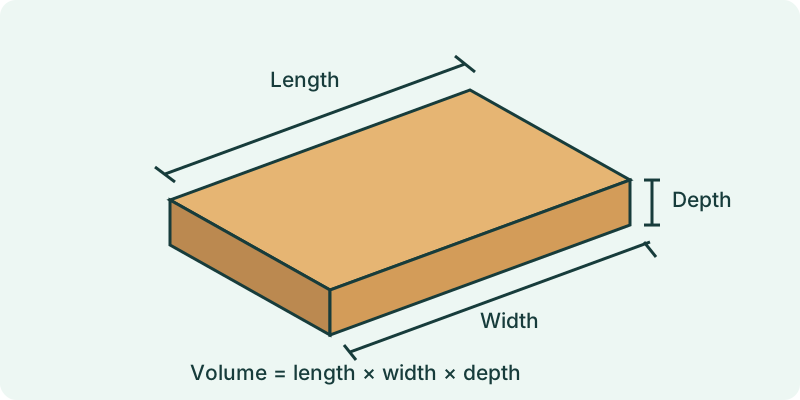
Measure the planned pour, not the space around it. Record length, width and thickness separately, with a unit beside every number. Thickness is often measured in millimetres or inches while the other dimensions are in metres or feet. Convert those numbers before multiplying.
A worked example
| Item | Example or check |
|---|---|
| Length | 5 m |
| Width | 4 m |
| Thickness | 100 mm = 0.1 m |
| Net volume | 5 × 4 × 0.1 = 2 m³ |
Check the assumptions
Measure depth at several points if the base is uneven. A single reading may understate the fill. The calculator assumes a flat rectangular shape; divide an L-shaped area into rectangles and calculate each section separately without overlapping them. A drawing with labelled rectangles is easier to audit than one unexplained total.
If you choose a 10% extra allowance, the order target becomes 2.2 m³. That is your purchasing assumption, not a recommendation about slab thickness. Ask the supplier how they round deliveries and whether the order has a minimum quantity or small-load charge.
Before using the estimate
Do not infer the required structural thickness from a quantity calculator. Loads, ground conditions, reinforcement and local rules belong in a separate design decision.
Open the Concrete Calculator and compare your measurements with the example.
Further reference: Publisher or manufacturer guidance. Product specifications can change; use the current label.